
The short answer
Almost every squishy is made from one of three materials: polyurethane (PU) foam, thermoplastic rubber (TPR) or silicone. The material decides how the toy feels, whether it rises slowly or stretches, which shapes it suits and which safety tests it needs.
PU foam: the slow-rise squishy
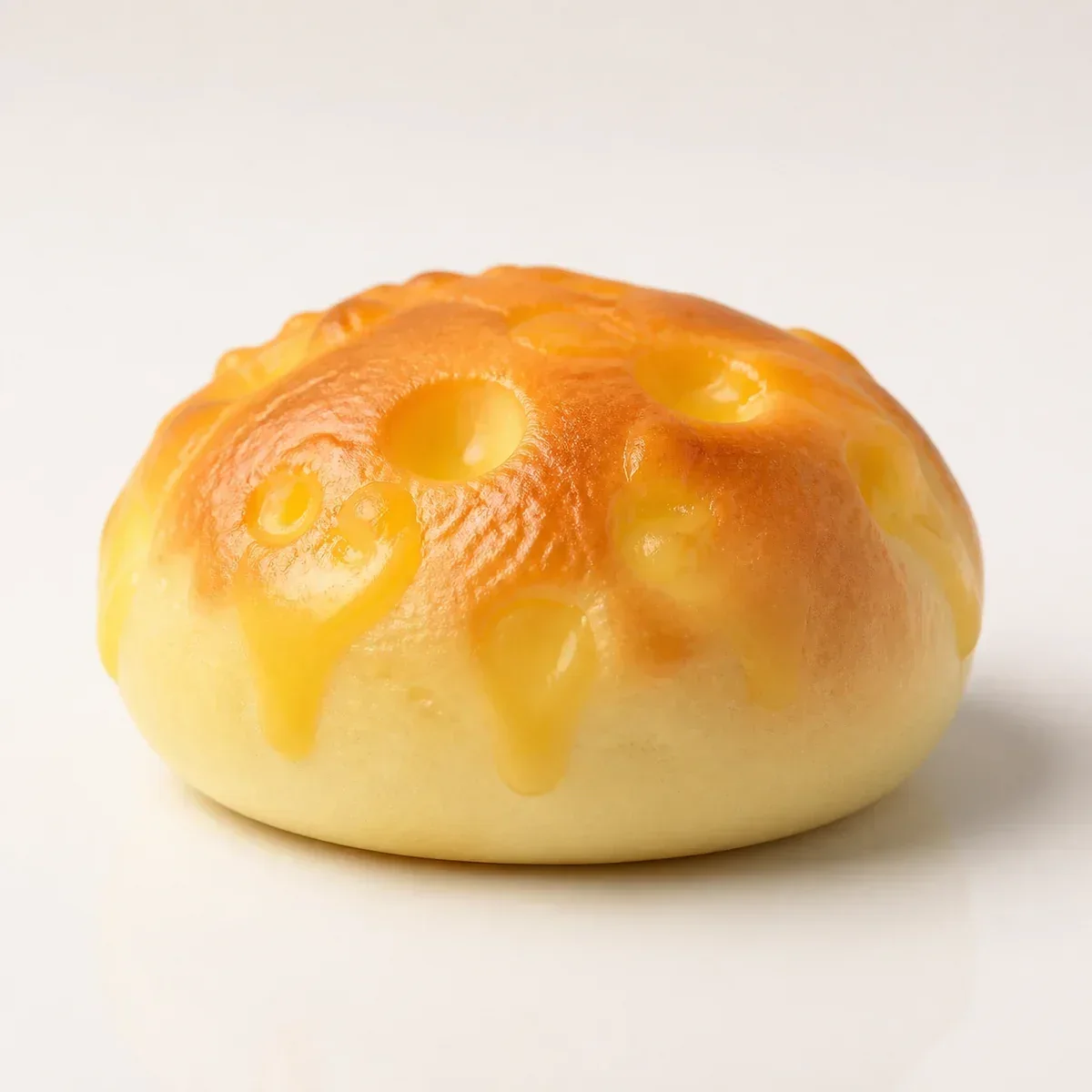
PU foam forms when two liquid components, a polyol and an isocyanate, are mixed and poured into a mould. The mixture expands to fill the mould and cures into a soft foam that recovers slowly after a squeeze. A coating is then sprayed on to seal the surface and carry the colour, and faces and shading are painted by hand. Bread, butter, dumpling and most other food shapes are PU foam, because airbrushed foam is what makes them look real.
Request FOB Quote Chat on WhatsApp
TPR: the stretchy, clear and crunchy squishy
TPR is melted and injection-moulded. TPR squishies can be clear, tinted or glittered, and they can be filled with a gel or with solid micro-beads for a crunchy feel. TPR stretches and snaps back rather than rising slowly. Translucent animals, jelly cat paws and crunchy squishies are usually TPR.
Silicone: the dense, creamy squishy
Liquid silicone is poured or pressed into a mould and heat-cured. Silicone squishies feel heavier, smoother and creamier than foam, rises back more slowly than TPR and holds fine detail well. Creamy and mochi-style squishies are usually silicone.
What squishies should not be made of: water beads
Since 12 March 2026 the US rule 16 CFR 1250.4 limits water beads in toys, including beads sealed inside a squeeze toy: they must not expand beyond 5.0 mm. The dumpling and bun squishies recalled in September 2026 had water-bead fills. None of our products use water beads, in any shape, texture or size.
How a squishy is made in our factory
Six steps, in our own factory. Material weighing, where the rebound time is set per batch. Moulding: foam pouring, TPR injection or silicone curing. Demoulding and hand-trimming the seams. Spraying and hand-painting the colour and face. Rebound and dimension checks during the run. Packing to the tier on the order, from bulk poly bags to blind boxes.
How to judge the material on a sample
For foam, weigh it: two pieces that look identical can differ by a third in weight, and the heavier, denser one rises slower and lasts longer. Check that the skin coating is bonded and does not crack when flexed. Smell it: a strong chemical odour means the batch was not fully cured. For TPR, pull-test ears, stems and tails. For every material, ask which fill is inside and get it in writing.
Which material for which buyer
Dollar and discount stores usually want PU foam singles. Gift shops tend to buy TPR in blister packs. Online brands and collectors lean towards silicone and transparent TPR in mystery boxes and blind bags. The material also sets the test package: every squishy for the US needs ASTM F963-23 and CPSIA lead and phthalate screening, and PU foam pieces should also be checked against the flammability section.
Get an Instant Quote
Tell us the shape, texture and packaging you need. Send us the shape, texture and packaging tier and we come back with FOB price, MOQ and lead time.
Source: U.S. CPSC recall notices of 3 Sept 2026 and 16 CFR 1250.4 (Federal Register, 12 Dec 2025).